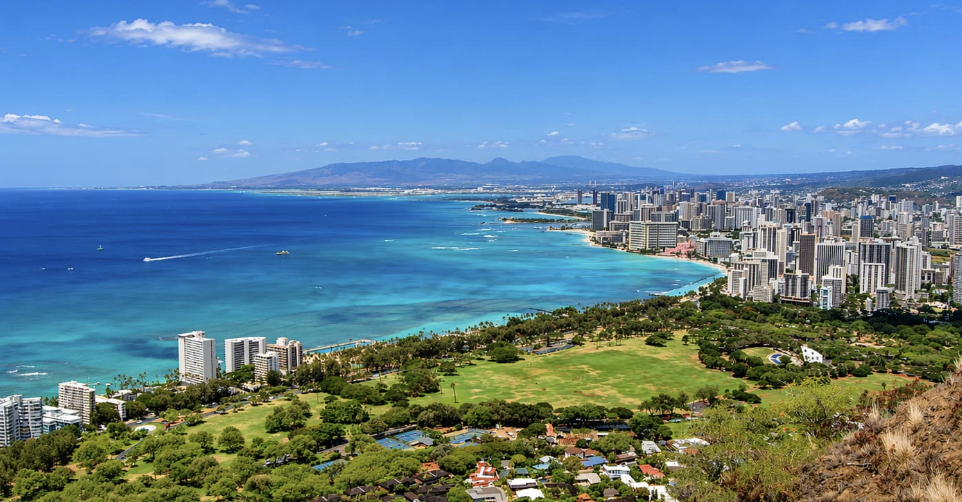
The best time to go to Hawaii is generally during May or from September through October. These shoulder-season periods offer an excellent balance of warm weather, manageable crowds, good ocean conditions and potentially better hotel availability than the busy summer and winter holidays.
If you want one simple recommendation, choose May. Daytime temperatures are warm, the wetter winter period is ending, summer vacation crowds have not fully arrived and you may still catch the end of Hawaii’s humpback whale season.
However, the right month ultimately depends on what you want to do. Winter is best for whale watching and big-wave surfing, while summer generally provides calmer water on many north-facing beaches. September and October can offer fewer crowds, but they also fall within the Central Pacific hurricane season.
When Is the Best Time to Go to Hawaii?
For most travelers, the best periods to visit Hawaii are:
- Late April through early June: The best overall combination of weather, crowd levels and outdoor activities.
- September through October: Warm ocean temperatures, fewer families traveling after summer vacation and potentially better availability.
- January through early April: Best for humpback whale watching and seeing large North Shore waves.
- June through August: Best for families following the school calendar and for generally calmer conditions on north-facing shores.
Hawaii is a year-round destination, so there is no truly bad month to visit. The islands have warm temperatures throughout the year, but rainfall, waves, crowds and hotel prices can vary significantly by season and location.
Why Is May the Best Time to Visit Hawaii?
May is our best overall choice because it sits between the spring-break rush and the main summer vacation period. It also falls in Hawaii’s warmer, generally drier season.
Why May works so well
- Average daytime conditions at sea level are warm enough for swimming and beach activities.
- Rainfall generally becomes less frequent than during the winter months.
- Popular attractions may feel less crowded than during Christmas, spring break and midsummer.
- Flights and hotels may have better availability, although prices still depend on your departure city and exact dates.
- Humpback whales may still be present early in the month, although peak whale season occurs earlier.
- Conditions are suitable for snorkeling, hiking, scenic drives and beach days.
Traveling in May does not guarantee sunshine every day. Hawaii contains numerous microclimates, and conditions can change dramatically within a short drive. The windward side of an island may be rainy while the leeward resort coast remains sunny.
What Is Hawaii Like Each Month?
| Month | Typical conditions | Best for | Important considerations |
|---|---|---|---|
| January | Comfortably warm with a greater chance of rain | Whales and big-wave surfing | Popular winter travel period |
| February | Mild temperatures and occasional showers | Peak whale watching | North-facing shores can have powerful surf |
| March | Warm, with variable showers | Whales, hiking and sightseeing | Spring-break dates can be busy |
| April | Transitioning toward warmer, drier weather | Outdoor activities and fewer crowds after Easter | Holiday dates may still be expensive |
| May | Warm and generally drier | Best overall balance | Book early around Memorial Day |
| June | Warm, sunnier and relatively dry | Beaches and family vacations | Summer crowds begin to increase |
| July | Hot, sunny and relatively dry | Swimming and snorkeling | Busy school-holiday period |
| August | Among the hottest months | Beach trips and water activities | Heat, humidity and hurricane-season risk |
| September | Very warm with warm ocean water | Couples, beaches and lighter crowds | Hurricane season continues |
| October | Warm with gradually increasing rainfall | Good balance of weather and crowds | Weather becomes less predictable later in the month |
| November | Beginning of the wetter season | Surf events and early whale sightings | Thanksgiving week can be expensive |
| December | Comfortably warm with more frequent showers | Whales, surfing and holiday vacations | Christmas and New Year are major peak periods |
What Is the Weather Like in Hawaii?
Hawaii has two broad seasons rather than four strongly defined seasons:
- Summer, or kau: Approximately May through October.
- Winter, or hoʻoilo: Approximately November through April.
According to the official Hawaii tourism website, average daytime temperatures at sea level are approximately 85°F (29°C) in summer and 78°F (26°C) in winter. Nights are usually around 10°F cooler than daytime.
Does it rain every day in Hawaii?
Brief showers are common, but a rain symbol in the forecast does not necessarily mean an entire day will be lost. Showers can be highly localized and may pass quickly.
Windward areas—the sides facing the prevailing trade winds—are generally greener and wetter. Leeward areas are usually sunnier and drier. For example, the Kona and Kohala coasts of Hawaii Island, South Maui and the western side of Oahu usually receive more sunshine than nearby windward areas.
Which Hawaiian island gets the most rain?
Kauai is known for lush landscapes and substantial rainfall, particularly around Mount Waiʻaleʻale and the island’s north and interior regions. That does not mean every part of Kauai is constantly wet. Poʻipu, on the south shore, is normally drier than the North Shore.
When is Hawaii’s hurricane season?
The official Central Pacific hurricane season runs from June 1 through November 30. Direct strikes are uncommon, but tropical systems can still cause heavy rain, rough ocean conditions, flight disruption and flooding.
If you travel during hurricane season, consider travel insurance that covers qualifying weather disruptions and monitor the National Weather Service Honolulu Forecast Office.
Is Hawaii humid?
Hawaii can feel humid, particularly when the trade winds weaken. Regular trade winds make many days feel more comfortable than the temperature suggests. Resort areas near the ocean also benefit from sea breezes.
Does Hawaii get cold?
Beach areas remain warm throughout most of the year, but Hawaii’s high-elevation locations can be surprisingly cold. Haleakalā, Mauna Kea and Mauna Loa may have temperatures in the 30s or 40s Fahrenheit, especially overnight. Pack trousers, closed shoes and a warm jacket if you plan to visit a summit.
What Is the Cheapest Time to Go to Hawaii?
The most affordable periods are often found during the shoulder seasons, particularly:
- Late April through May, excluding holiday weekends
- September through early November, excluding special events and Thanksgiving
There is no single month that is always cheapest. Airfares depend heavily on your departure airport, while hotel prices vary by island, resort area, weekday and local events.
For a better chance of finding value:
- Compare complete trip costs rather than airfare alone.
- Check hotel parking and resort fees before booking.
- Compare a rental car with rideshare and organized-tour costs.
- Search several combinations of Tuesday, Wednesday and Saturday flights.
- Avoid Christmas, New Year, spring break and major holiday weekends when possible.
- Book inter-island flights separately if doing so improves the schedule or price.
When Is Hawaii Least Crowded?
Hawaii is often quieter during May, September, October and portions of November. The exact pattern changes each year, but these months generally fall outside major mainland school vacations.
The busiest periods commonly include:
- Christmas through New Year
- Presidents’ Day and spring-break periods
- June through early August
- Thanksgiving week
Even during quieter months, famous places such as Diamond Head, Haleakalā, the Road to Hāna and Nā Pali Coast can be busy. Visit popular viewpoints early, use required reservation systems and avoid stopping illegally along narrow roads.
Best Time to Visit Hawaii for Popular Activities
| Activity | Recommended period | Where to go |
|---|---|---|
| Whale watching | January through early April | Maui, especially the ʻAuʻau Channel |
| Big-wave surfing events | November through February | Oahu’s North Shore |
| Beginner swimming and snorkeling | Often best in summer, depending on the shore and daily forecast | Lifeguarded, protected beaches |
| Hiking | April, May, September and October | Kauai, Maui, Oahu and Hawaii Island |
| Manta ray snorkeling | Available throughout the year | Kona Coast, Hawaii Island |
| Waterfalls | Winter and spring | Kauai, Maui and windward island areas |
| Volcano landscapes | Year-round | Hawaii Volcanoes National Park |
| Calmer North Shore water | Summer, subject to daily conditions | Oahu and Kauai |
When is whale season in Hawaii?
Humpback whales are generally present from December through May, with peak viewing commonly occurring between January and early April. Maui is particularly popular because whales gather in the relatively shallow waters between Maui, Molokai and Lanai.
When is the best time to snorkel in Hawaii?
Snorkeling depends more on the specific beach, swell direction, wind and time of day than on the month alone. Morning often brings lighter winds and clearer water, but conditions can change rapidly.
Choose a lifeguarded beach, check the current conditions and speak with a lifeguard before entering. Never assume that a beach is safe because other people are in the water. If in doubt, stay out.
Which Hawaiian Island Is Best for Your Trip?
Oahu: Best for first-time visitors and variety
Oahu combines famous beaches, restaurants, nightlife, museums, historic sites and scenic drives. It is usually the easiest island for travelers who want plenty of activities without changing islands.
Best experiences: Waikiki Beach, Pearl Harbor, Diamond Head, Iolani Palace, Bishop Museum and the North Shore.
Maui: Best for beaches, scenery and couples
Maui offers resort beaches, the Road to Hāna, Haleakalā and excellent whale watching in winter. It works particularly well for couples and travelers who want a mixture of relaxation and sightseeing.
Best experiences: Haleakalā sunrise or sunset, snorkeling, whale watching, Upcountry Maui and the Road to Hāna.
Kauai: Best for nature and dramatic landscapes
Kauai is the strongest choice for hikers, honeymooners and travelers who prioritize scenery. Its signature landscapes include the Nā Pali Coast and Waimea Canyon.
Best experiences: Nā Pali Coast boat tours, Waimea Canyon, Kōkeʻe State Park, Hanalei and Wailua River.
Hawaii Island: Best for volcanoes and adventure
Hawaii Island—often called the Big Island—offers the greatest geographic variety. You can explore volcanic landscapes, snorkel with manta rays, tour coffee farms and experience both dry resort coasts and rainforest.
Best experiences: Hawaii Volcanoes National Park, Kona manta ray tours, Puʻuhonua o Hōnaunau, coffee farms, Hilo and the Kohala Coast.
Lanai and Molokai: Best for quieter travel
Lanai is suited to luxury stays, secluded scenery and short escapes from Maui. Molokai appeals to independent travelers seeking a slower, more community-oriented experience with limited conventional tourist infrastructure.
Most Recommended Places to Visit in Hawaii
1. Hawaii Volcanoes National Park
Explore volcanic craters, lava fields, rainforest trails and the Chain of Craters Road. Volcanic activity and access can change quickly, so check the National Park Service’s current conditions immediately before visiting.
2. Nā Pali Coast, Kauai
The cliffs of the Nā Pali Coast are among Hawaii’s most dramatic landscapes. Depending on the season and sea conditions, you can experience the coast by boat, permitted hike or helicopter.
3. Haleakalā National Park, Maui
Haleakalā’s summit provides a remarkable volcanic landscape above the clouds. A reservation is required to enter the summit district for sunrise. Sunset does not use the same sunrise reservation system, but parking can fill.
4. Pearl Harbor, Oahu
Pearl Harbor is an essential stop for travelers interested in World War II history. Allow enough time for the museums and memorial sites rather than treating it as a quick photo stop.
5. Waimea Canyon, Kauai
Often described as the “Grand Canyon of the Pacific,” Waimea Canyon offers roadside lookouts and access to trails around Waimea Canyon and Kōkeʻe state parks.
6. Road to Hāna, Maui
This famous drive includes rainforest, waterfalls, coastal scenery and narrow bridges. Do not treat it as a race to Hāna. Start early, respect residents, park only in legal areas and reserve Waiʻānapanapa State Park in advance.
7. Diamond Head, Oahu
The climb to the summit rewards visitors with broad views over Honolulu and the coast. Advance reservations are required for out-of-state visitors.
8. Kona Coast, Hawaii Island
The Kona Coast is one of the best areas for coffee farms, snorkeling and guided nighttime manta ray experiences. Choose a reputable operator that follows wildlife-safe practices.
Most Recommended Restaurants and Cafés in Hawaii
These are established, frequently recommended choices across the four principal visitor islands. Restaurants can change their hours, menus and reservation policies, so confirm details directly before traveling.
| Island | Restaurant or café | Why visit? | Best for |
|---|---|---|---|
| Oahu | Helena’s Hawaiian Food | A celebrated place to try traditional Hawaiian dishes | Local-style lunch |
| Oahu | Fête | Seasonal cooking combining local ingredients with global influences | Modern dinner in Chinatown |
| Oahu | The Pig and the Lady | Creative Vietnamese-influenced cuisine | Special dinner |
| Oahu | Morning Glass Coffee | Well-regarded coffee and casual breakfast fare | Coffee and breakfast |
| Maui | Mama’s Fish House | One of Hawaii’s most famous seafood restaurants | Celebration meal |
| Maui | Tin Roof Maui | Casual local food from chef Sheldon Simeon | Quick lunch |
| Maui | Akamai Coffee | Maui-roasted coffee with multiple convenient locations | Morning coffee |
| Kauai | Bar Acuda | Popular Hanalei restaurant serving shareable plates | Date night |
| Kauai | Hamura Saimin | A long-running local institution known for saimin | Casual local meal |
| Kauai | Java Kai | Popular café for coffee, breakfast and light meals | Breakfast or brunch |
| Hawaii Island | Merriman’s Waimea | A flagship of Hawaii Regional Cuisine | Farm-to-table dinner |
| Hawaii Island | Moon and Turtle | Small Hilo restaurant known for local ingredients and seafood | Intimate dinner |
| Hawaii Island | Big Island Coffee Roasters | Hawaii-grown specialty coffee and tasting flights | Coffee enthusiasts |
Reservation tip: Mama’s Fish House and other famous restaurants may book far in advance. Reserve as soon as your travel dates are confirmed, but keep several casual alternatives for flexible days.
Most Fun Things to Do in Hawaii
- Take a beginner surf lesson at a suitable, instructor-selected beach.
- Join a guided snorkel or manta ray tour.
- Watch humpback whales during winter and early spring.
- Attend a culturally responsible lūʻau.
- Tour a Kona coffee farm or local cacao farm.
- Hike through a volcanic crater or rainforest.
- Kayak on Kauai’s Wailua River.
- Drive through Upcountry Maui.
- Take a permitted boat tour along the Nā Pali Coast.
- Visit Bishop Museum and Iolani Palace to learn about Hawaiian history.
- Try regional foods such as poke, laulau, saimin, malasadas and shave ice.
- Watch the sunset from a beach or volcanic summit.
Suggested Hawaii Itinerary for First-Time Visitors
If you have five to seven days
Choose one island. Oahu is the easiest all-round choice, Maui is excellent for beaches and scenic drives, Kauai is ideal for nature, and Hawaii Island is best for volcanoes and varied landscapes.
If you have eight to ten days
Combine two islands, but allow at least three or four full days on each. A practical first-time combination is Oahu with Maui, Kauai or Hawaii Island.
If you have two weeks
Two islands at a relaxed pace—or three islands at a faster pace—can work. Remember that changing islands consumes much of a day after packing, returning a rental car, flying, collecting another car and checking into a new hotel.
Hawaii Reservations You May Need
Some popular attractions limit daily entry or require timed reservations. Check the official website for:
- Haleakalā sunrise
- Diamond Head State Monument
- Hāʻena State Park and the Kalalau Trail area
- Waiʻānapanapa State Park
- ʻĪao Valley State Monument
- Hanauma Bay Nature Preserve
- Pearl Harbor programs
The statewide Hawaii State Parks reservation portal handles several popular parks. Rules can change, so verify requirements before your visit rather than relying on an old itinerary or social-media post.
Important Hawaii Travel and Ocean-Safety Tips
- Swim at lifeguarded beaches whenever possible.
- Check weather, surf and beach warnings every morning.
- Never turn your back on the ocean.
- Do not stand over or next to blowholes.
- Do not enter the ocean under the influence of alcohol or drugs.
- Wear a flotation device while snorkeling if appropriate for your ability.
- Do not touch coral, sea turtles, monk seals or other wildlife.
- Stay on marked trails and never cross private property.
- Carry water and sun protection, even on cloudy days.
- Use mineral-based sun protection and protective clothing.
- Never leave valuables visible inside a rental car.
Before entering the water, consult Hawaii Ocean Safety and ask a lifeguard about local hazards.
Frequently Asked Questions About the Best Time to Visit Hawaii
What is the single best month to visit Hawaii?
May is the best month for most travelers. It offers warm weather, generally lower rainfall than winter, excellent conditions for outdoor activities and a gap between spring break and the busiest part of summer.
Is April or May better for Hawaii?
Both are excellent. May is generally warmer and drier, while April can provide a chance to see more whales. Avoid Easter and spring-break dates if crowds and prices are your main concern.
Is September a good time to visit Hawaii?
Yes. September offers very warm weather and ocean temperatures, and crowds often decline after Labor Day. The tradeoff is that September falls within hurricane season and can feel hot and humid.
Is October a good time to visit Hawaii?
October can be a good shoulder-season choice, particularly early in the month. Expect warm weather, but understand that rainfall may begin increasing as Hawaii moves toward its winter season.
What is the rainiest month in Hawaii?
There is no single answer for every island and resort area. Rainfall generally increases from November through March, but local geography matters more than statewide averages. Windward and elevated areas receive substantially more rain than many leeward resort coasts.
How many days do you need in Hawaii?
Seven days is a sensible minimum for one island. Allow 10 to 14 days if you want to visit two islands without rushing.
Which Hawaiian island is best for first-time visitors?
Oahu is the easiest all-round choice because it combines beaches, history, dining, shopping and natural attractions. Maui is an excellent alternative for travelers more interested in resorts, beaches and scenic drives.
What is the warmest month in Hawaii?
August and September are usually among the warmest months, although temperatures vary by island, elevation and location.
Can you swim in Hawaii throughout the year?
Water temperatures are suitable for swimming throughout the year, but that does not mean every beach is always safe. Large swells, rip currents, shorebreak and strong winds can make a beach dangerous regardless of temperature.
When should you avoid Hawaii?
There is no month when everyone should avoid Hawaii. Travelers seeking lower prices and fewer crowds may want to avoid Christmas, New Year, spring break and midsummer. People sensitive to heat may prefer winter or spring over August and September.
Is Hawaii better in summer or winter?
Choose summer for warmer, generally drier weather and often calmer north-shore water. Choose winter for whale watching, big-wave surfing and slightly cooler temperatures.
What should I pack for Hawaii?
Pack lightweight clothing, comfortable walking shoes, sandals, swimwear, a reusable water bottle, rain shell, hat and sun protection. Bring warmer clothing if you plan to visit Haleakalā, Mauna Kea or another high-elevation location.
Final Verdict: When Should You Visit Hawaii?
Visit Hawaii in May for the best overall experience. It provides an excellent balance of warm weather, relatively manageable crowds and access to nearly every major outdoor activity.
If May does not fit your schedule, choose late April, September or early October. Visit between January and early April if whale watching is your main priority, and choose summer if your plans depend heavily on calmer conditions along north-facing shores.
Regardless of the month, choose your island carefully, reserve high-demand attractions early and check local weather and ocean conditions each day. Hawaii’s geography creates enormous variation, which means a well-planned trip can be rewarding in every season.
Sources and Further Planning
- Go Hawaii: Weather in the Hawaiian Islands
- Go Hawaii: Frequently Asked Travel Questions
- National Weather Service Honolulu
- Haleakalā National Park
- Hawaii Volcanoes National Park
- Hawaii State Parks Reservations
- Hawaii Ocean Safety
Restaurant hours, park access, reservation rules, prices, volcanic activity and ocean conditions can change. Confirm current information directly before traveling.